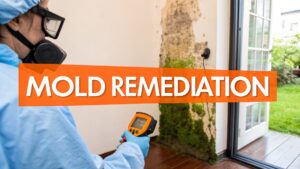
Many homeowners hold onto misconceptions about the home restoration process, often leading to delays or inappropriate actions. One common myth is that DIY methods are sufficient for serious damage, such as fire or mold, which can result in further complications if not handled by professionals.
Understanding these myths is crucial for homeowners. For instance, some believe that mold can be completely eliminated with bleach, but this is not true; it often requires specialized remediation techniques. By debunking these myths, homeowners can make informed decisions and take appropriate steps toward restoration.
Selecting a qualified restoration contractor is vital for ensuring that your home is restored effectively and safely. Homeowners should look for contractors with relevant certifications, strong reviews, and a proven track record in handling similar restoration projects.
Additionally, it's essential to ask potential contractors about their experience with specific types of damage, such as water or fire restoration. Requesting detailed estimates and timelines can also help in making an informed choice. By taking these steps, homeowners can find a reliable partner for their restoration needs.
Preventing future damage is as important as addressing current issues. Homeowners can implement several strategies to minimize risks, including regular maintenance checks and investing in quality materials that withstand environmental stressors.
For example, installing sump pumps can help mitigate water damage during heavy rains, while smoke detectors and fire extinguishers can prevent fire-related disasters. By being proactive, homeowners can protect their investments and ensure a safer living environment.
Understanding insurance coverage is crucial for homeowners facing restoration needs. Many policies cover damages caused by specific events, such as fire or water damage, but the extent of coverage can vary significantly based on the policy details.
Homeowners should review their insurance policies regularly and discuss coverage options with their agents. This ensures that they are adequately prepared for potential restoration costs. Knowing what is covered can alleviate financial stress during the restoration process and help homeowners make informed decisions.