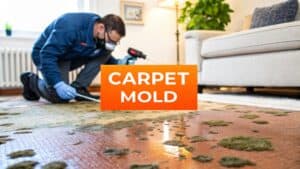
Identifying water damage early is crucial for preventing extensive repairs and health hazards. Homeowners should look for signs such as discoloration on walls and ceilings, peeling paint, or mold growth, which can indicate moisture issues.
Regularly inspecting areas prone to water exposure, like basements, bathrooms, and kitchens, can help catch problems before they escalate. If you notice any of these signs, it's advisable to consult a professional for a thorough assessment and remediation plan.
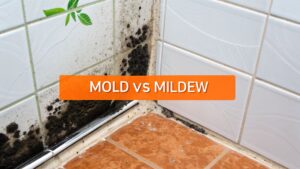
Preventing mold growth in your home involves controlling moisture levels and ensuring proper ventilation. Homeowners should keep humidity levels below 60% and promptly address any leaks or spills to reduce the risk of mold development.
Using dehumidifiers in damp areas, sealing windows and doors, and ensuring adequate airflow around appliances can significantly help in preventing mold. Regular maintenance and inspections can also aid in identifying potential mold issues before they become serious problems.
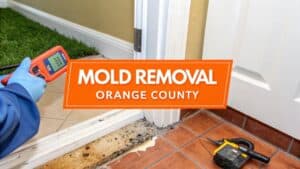
Equipping yourself with the right tools is essential for effective home restoration. Basic tools such as a moisture meter, air scrubber, and extraction pump can make a significant difference in managing restoration tasks efficiently.
Additionally, investing in safety gear like gloves, masks, and goggles is crucial when dealing with hazardous materials during restoration. Understanding how to use these tools properly can help homeowners tackle projects with confidence and ensure safety throughout the process.
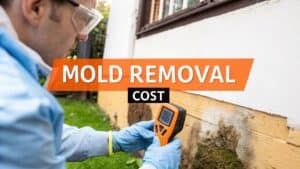
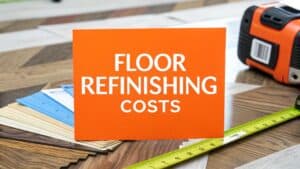
Home restoration costs can vary widely based on the extent of damage and the type of services required. Factors such as labor, materials, and the complexity of the restoration work play a significant role in determining the overall cost.
Homeowners should obtain multiple quotes from certified contractors and consider their expertise and reputation. It's also important to factor in potential hidden costs that may arise during the restoration process, ensuring a more accurate budget for the project.