



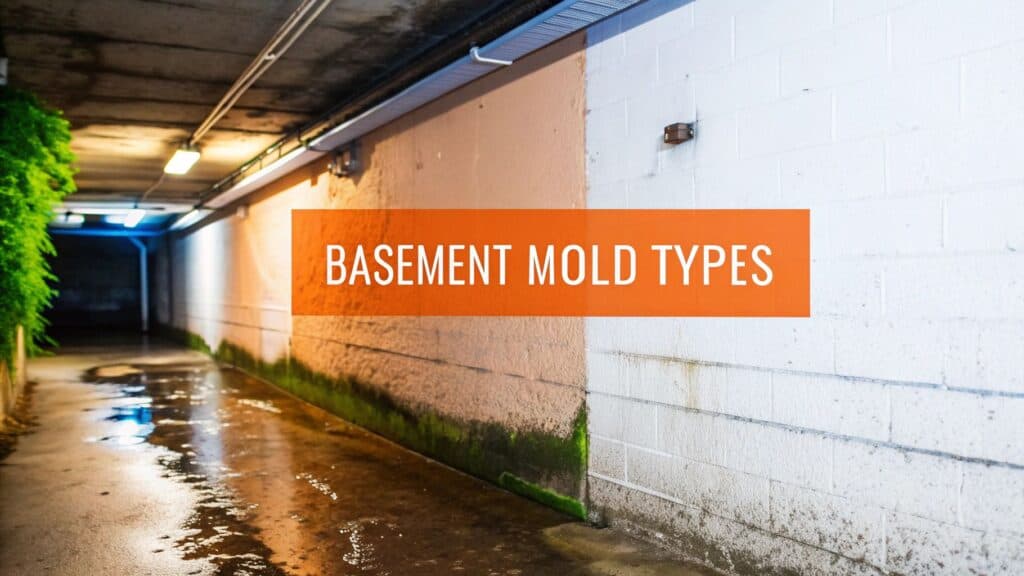
For discerning homeowners in Orange County, a finished basement is more than just extra space; it’s a home theater, a wine cellar, or a private gym. The discovery of a musty odor or visible discoloration, however, can quickly disrupt this sanctuary, raising concerns about property value and indoor air quality. Understanding the specific types of mold in basements is the critical first step toward protecting your investment and ensuring a healthy living environment for your family. A small patch of mold often points to a larger, unseen moisture issue. A critical part of prevention involves addressing the source, and a great resource for this is identifying different types of interior leaks that frequently cause hidden dampness.
This guide, created by the IICRC Master Certified experts at Sparkle Restoration Services, provides Southern California homeowners with the clarity and actionable insights needed to handle this common issue. We will break down the 10 most common mold culprits you might encounter, detailing their distinct appearances, the potential health risks they pose, and the professional protocols required to restore your home to its pristine condition. Knowledge is the foundation of effective action. This listicle will empower you to recognize a potential problem, understand its severity, and know precisely when to engage specialists. As a BBB Torch Award winner for ethics, our mission is to provide you with the authoritative information needed to make confident decisions, turning the chaos of a mold issue into calm, fast.
1. Stachybotrys chartarum (Black Mold)
Often referred to as "toxic black mold," Stachybotrys chartarum is one of the most infamous types of mold found in basements, largely due to its association with significant health concerns and severe water damage. Its presence is a definitive sign of a persistent moisture problem that requires immediate, expert attention from a certified professional.
Appearance and Identification
Stachybotrys colonies are typically dark greenish-black or black and have a distinct slimy or wet texture. Unlike the fuzzy or powdery appearance of other molds, its surface often looks slick. It emits a strong, musty, and earthy odor, often described as smelling like damp soil or rotting leaves. This mold requires constant moisture to thrive, so it is almost exclusively found on cellulose-rich materials that have been saturated for an extended period.
Common locations in an Orange County basement include:
- Drywall backing that has absorbed water from a foundation leak.
- Wood framing or subflooring near a malfunctioning sump pump.
- Cardboard boxes or insulation that have been wet for weeks.
Health Risks and Professional Remediation
While the term "toxic black mold" is widely used, it's more accurate to say that Stachybotrys is toxigenic, meaning it can produce mycotoxins. Exposure can lead to a range of health issues, including chronic sinus infections, severe respiratory distress, neurological symptoms, and immune system suppression. For homeowners, especially those with young children or compromised immune systems, these risks are not to be taken lightly.
Expert Insight: Due to the significant health risks and the deep-seated moisture issues that Stachybotrys signals, DIY removal is strongly discouraged. Improper handling can disperse mycotoxin-laden spores throughout your home, escalating the problem. Only IICRC-certified professionals equipped with proper containment and air filtration technology should manage its removal.
Because of the serious nature of this mold, a comprehensive approach is critical. For a detailed understanding of how our certified technicians handle such complex situations, you can learn more about professional Stachybotrys chartarum (Black Mold) remediation. Our team at Sparkle Restoration Services not only eliminates the mold but also addresses the underlying water intrusion to ensure it never returns, protecting your family’s health and your property’s value.
2. Aspergillus niger (Black Aspergillus)
One of the most common types of mold in basements worldwide, Aspergillus niger is a highly adaptable fungus that can appear even in spaces with only moderate moisture. Unlike Stachybotrys, which requires constant saturation, Aspergillus can colonize a wide variety of organic materials, dust, and even mineral deposits, making it a frequent sight in basements with minor but persistent humidity issues that homeowners might initially overlook.
Appearance and Identification
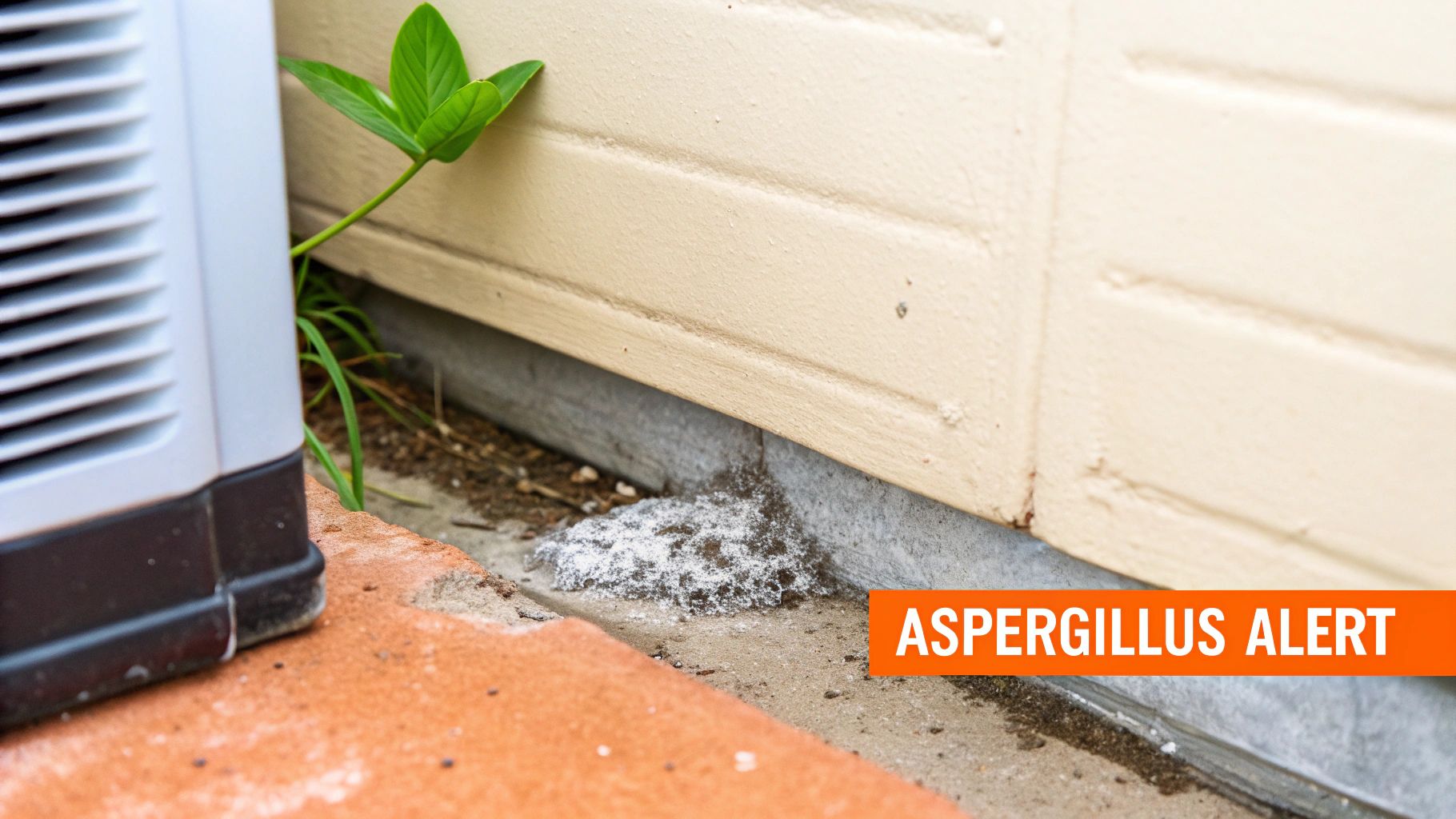
Aspergillus niger typically presents as dark brown or black colonies with a sooty, powdery texture, which distinguishes it from the slimy appearance of black mold. It can grow rapidly, sometimes appearing as a thin, dark layer over large surfaces. The odor associated with this mold is often less potent than Stachybotrys but is still noticeably musty and damp, sometimes with a slightly sweet or fermented undertone. Its adaptability means it can be found in a variety of locations.
Common locations in an Orange County basement include:
- On concrete walls or floors where moisture is wicking through from the soil.
- Around leaky pipe fittings or within the ductwork of an older HVAC system.
- Behind baseboards or on drywall in finished basements lacking adequate dehumidification.
Health Risks and Professional Remediation
Aspergillus niger is known to be an allergen and can trigger allergic reactions, asthma attacks, and other respiratory issues, particularly in sensitive individuals. Certain strains can also produce mycotoxins, though it is less common than with Stachybotrys. For homeowners in Irvine or Newport Beach, the presence of this mold can significantly compromise the healthy indoor environment they expect and can produce stubborn odors that permeate the home.
Expert Insight: Because Aspergillus spores are small and easily become airborne, attempting to clean it with household products often exacerbates the problem by spreading the contamination. Professional remediation is essential to contain the area, use HEPA filtration to scrub the air, and properly remove the colonized materials without cross-contaminating the rest of your property.
A thorough approach is needed not just for removal, but for the persistent odors it can leave behind. To understand how our certified experts tackle these lingering issues, you can learn more about our comprehensive odor removal services. At Sparkle Restoration Services, our process ensures that we not only eliminate the visible mold but also neutralize any residual odors, restoring the pristine condition and air quality of your high-value home.
3. Penicillium species (Penicillium chrysogenum & P. expansum)
Well-known for its role in producing the antibiotic penicillin, Penicillium is also a very common type of mold found in basements. These species are highly allergenic and can spread rapidly, posing a significant indoor air quality concern, especially in homes with sensitive individuals. Their presence often indicates moderate but persistent moisture issues that can be challenging to pinpoint without professional assessment.

Appearance and Identification
Penicillium species typically present as fuzzy, velvety colonies that are bluish-green, though they can also appear white or yellowish. Unlike the slimy texture of Stachybotrys, Penicillium has a more classic, powdery look. It emits a characteristically musty, damp odor that can permeate a basement and even travel through HVAC systems, affecting the air quality throughout your home. This mold is incredibly versatile, growing on a wide range of organic materials with even moderate dampness.
Common locations in an Orange County basement include:
- On water-damaged wallpaper, carpets, or behind baseboards.
- In climate-controlled storage areas like wine cellars with improper humidity balance.
- Growing on fabrics or organic debris in basements of Laguna Niguel properties affected by salt-air moisture infiltration.
Health Risks and Professional Remediation
Penicillium is primarily known as an allergen and an irritant. Its airborne spores are a common trigger for asthma attacks, hay fever-like symptoms, sinus infections, and general respiratory inflammation. For households with young children, the elderly, or individuals with allergies, its presence can significantly degrade the home's healthy environment. Certain species can also produce mycotoxins, underscoring the importance of addressing any growth promptly.
Expert Insight: The fine, powdery spores of Penicillium become airborne with the slightest disturbance, easily spreading through your home’s HVAC system. A professional approach involves not just removing the visible mold but also addressing the airborne contamination through advanced air scrubbing and HEPA filtration to ensure the air you breathe is clean.
Because these spores are so easily dispersed, effective remediation is a multi-step process. A certified team must establish containment to prevent cross-contamination before starting any removal. For homeowners seeking clarity, it is crucial to separate fact from fiction regarding mold's behavior and risks. You can learn more by exploring common facts and myths about mold remediation. The Sparkle Restoration Services team ensures a comprehensive solution, from source identification to final air quality testing, restoring your peace of mind.
4. Cladosporium species (Cladosporium herbarum)
As one of the most frequently identified molds in indoor environments, Cladosporium is a common find in basements, particularly those with moderate moisture or cooler temperatures. Unlike many other mold types that demand constant saturation, this species is uniquely resilient, capable of growing in a wide range of conditions and even surviving in relatively dry states, which makes proactive prevention essential for homeowners.
Appearance and Identification
Cladosporium colonies typically appear as olive-green to brown or even black spots and often have a velvety or suede-like texture. It can grow in small, distinct clusters or spread out over a larger surface. This mold does not have a single, overpowering odor but contributes to the general "mildew" or damp smell common in basements with air quality issues. Its ability to tolerate cooler temperatures makes it a frequent inhabitant of areas that other molds might not colonize.
Common locations in an Orange County basement include:
- On painted walls or wood trim in climate-controlled wine cellars in estates.
- Behind baseboards or on fabrics stored in finished basements with minimal dehumidification.
- Near HVAC registers or on dusty surfaces in basements with inadequate air filtration.
Health Risks and Professional Remediation
Cladosporium is primarily known as a potent allergen. Its spores can easily become airborne and trigger allergic reactions, including sneezing, itchy eyes, skin rashes, and asthma attacks. For individuals with respiratory sensitivities or compromised immune systems, prolonged exposure can lead to more serious conditions like sinus infections and lung inflammation. Its prevalence makes it a key contributor to poor indoor air quality.
Expert Insight: The adaptability of Cladosporium means that simply controlling moisture might not be enough. Its ability to thrive in cooler, less damp environments requires a more holistic approach focused on humidity control, superior air filtration, and routine inspections, especially in temperature-controlled spaces like wine cellars or storage rooms.
Because of its allergenic potential, proper containment during removal is crucial to prevent cross-contamination. For a deeper look into the health impacts and professional handling of such widespread molds, you can learn more about the truth of mold contamination and health risks. At Sparkle Restoration Services, our IICRC-certified team uses advanced HEPA filtration and containment methods to safely eradicate Cladosporium and implement preventative strategies to keep your home’s air pure.
5. Chaetomium species (Chaetomium globosum)
While less famous than black mold, Chaetomium is a powerful destructive agent that signals severe, long-term water damage. This cellulase-producing mold doesn't just grow on surfaces; it actively consumes and decomposes cellulose-based materials, presenting a direct threat to your home's structural integrity. Its discovery in a basement is a clear indicator of a critical moisture issue that demands an immediate and comprehensive response.
Appearance and Identification
Chaetomium colonies typically start as white and fuzzy, then mature into a dark brown, gray, or black color. A key identifier is its distinctive fine, hair-like structures, known as perithecia, which give it a cottony or wispy appearance. It often produces a musty, damp, or old-smelling odor. This mold thrives on materials that have been chronically wet, making it one of the more destructive types of mold in basements.
Common locations in an Orange County basement include:
- Water-damaged drywall, particularly behind baseboards or within wall cavities.
- Wooden structural elements like joists, subflooring, and framing in historic Newport Beach homes with compromised foundations.
- Wet cardboard, paper products, and books that have been stored in a damp basement for extended periods.
Health Risks and Professional Remediation
Chaetomium is toxigenic and can produce mycotoxins that may cause respiratory issues, allergic reactions, and neurological symptoms in sensitive individuals. However, the most immediate danger it poses is structural. By breaking down wood and drywall, it can weaken your home's framework, leading to costly and complex repairs beyond standard mold remediation.
Expert Insight: The presence of Chaetomium means the problem is twofold: a health hazard and a structural threat. DIY cleanup is exceptionally risky as it fails to address the underlying material degradation. A certified professional must assess both the extent of the mold contamination and the integrity of the affected building materials.
Addressing Chaetomium requires a dual-specialty approach. For a comprehensive overview of how our experts tackle the root cause, you can explore our professional services for water damage in Orange County, CA. The team at Sparkle Restoration Services not only performs meticulous mold abatement but also has the licensed general contracting expertise to assess and repair any structural damage, ensuring your property is both safe and sound.
6. Alternaria species (Alternaria alternata)
While many types of mold in basements are linked to direct water leaks, Alternaria is a common allergenic mold that often signifies a different kind of moisture problem: high ambient humidity. Frequently found outdoors, its spores can easily infiltrate your home, especially during Southern California's more humid seasons, and thrive when indoor air moisture levels are not properly managed.
Appearance and Identification
Alternaria colonies typically appear as dark olive-green or brownish-black velvety patches. Unlike the slimy texture of Stachybotrys, this mold has a more suede-like or downy look. It often grows in smaller, distinct spots rather than large, spreading masses and emits a characteristically damp, musty odor. Its presence is a strong indicator that humidity from the outside is condensing on cooler basement surfaces.
Common locations for Alternaria in an Orange County basement include:
- On walls and ceilings in finished basements in Irvine without dedicated humidity control.
- Near window frames in Newport Beach homes where coastal air leads to condensation.
- In recreation rooms or home gyms where occupant activity adds to existing humidity.
Health Risks and Professional Remediation
Alternaria is one of the most well-known allergenic molds, strongly associated with triggering asthma attacks and hay fever-like symptoms. For sensitive individuals, exposure can cause persistent sneezing, coughing, itchy eyes, and respiratory irritation. For discerning homeowners who prioritize a healthy indoor environment, its presence is a significant air quality concern that warrants immediate action.
Expert Insight: Controlling Alternaria is less about fixing a leak and more about mastering your home’s air. The key is aggressive humidity management. DIY cleanup of the visible mold is only a temporary fix if the underlying atmospheric moisture that allows it to grow is not resolved.
At Sparkle Restoration Services, we address Alternaria by not only removing the existing colonies but also by diagnosing and correcting the environmental imbalances. Our IICRC-certified experts can recommend and implement sophisticated solutions like basement-specific ventilation systems or whole-house dehumidifiers to maintain optimal indoor air quality. If you are concerned about humidity-driven mold growth, contact us for a comprehensive assessment to protect your family's health and the integrity of your home.
7. Fusarium species (Fusarium oxysporum & F. verticillioides)
Unlike molds that can subsist on ambient humidity, the presence of Fusarium species is an unambiguous signal of a significant and active water intrusion event. Often appearing as pink, white, or reddish-brown colonies, this type of mold in basements thrives in extremely wet conditions and indicates severe water damage that demands an emergency-level response.
Appearance and Identification
Fusarium colonies often have a cottony or wool-like texture and can spread rapidly across damp surfaces. While its color can vary, it is most commonly identified by its distinctive pink or reddish hues. This mold is almost exclusively found on materials that are saturated, not merely damp. Its growth suggests a recent and substantial water event rather than a slow, chronic leak.
Common locations in an Orange County basement include:
- Wall-to-wall carpeting and padding soaked after a water main break.
- Below-grade drywall in a Laguna Niguel home affected by coastal water intrusion.
- Wood framing and baseboards in a basement with a recently failed sump pump system.
Health Risks and Professional Remediation
Fusarium is an opportunistic pathogen, meaning it can cause serious infections, particularly in individuals with weakened immune systems. Exposure can lead to skin infections and, in severe cases, systemic issues. Because its presence is tied to major water damage, the structural and health risks are compounded, making immediate, professional intervention essential for protecting both your property and your family.
Expert Insight: The discovery of Fusarium shifts the situation from a standard mold concern to an active water damage emergency. The priority is not just mold removal but immediate water extraction and structural drying. Attempting to manage this level of saturation without commercial-grade equipment will almost certainly lead to irreversible structural damage and pervasive mold growth.
Given the critical nature of a Fusarium infestation, a comprehensive emergency response is necessary. The team at Sparkle Restoration Services is equipped for rapid deployment to address both the water extraction and the subsequent mold remediation. Our IICRC-certified Master Water Restorers not only eliminate the mold but also implement a complete structural drying plan, ensuring the underlying cause is resolved and your high-value property is returned to a safe, pre-loss condition.
8. Trichoderma species (Trichoderma viride & T. reesei)
Recognized for its rapid growth and aggressive nature, Trichoderma is a common type of mold in basements that can cause significant damage to building materials. It is a highly efficient producer of cellulase enzymes, which allows it to break down and digest cellulose-based materials like wood and paper at an alarming rate. Its presence often indicates a recent or ongoing moisture issue that requires prompt action to prevent structural decay.
Appearance and Identification
Trichoderma typically appears as white or creamy-white colonies that mature into shades of bluish-green or dark green, often developing a woolly or cotton-like texture. It can sometimes be mistaken for other green molds like Penicillium or Aspergillus in its early stages. Unlike slower-growing molds, Trichoderma can become visible within days of favorable conditions, making it an early indicator of a water problem. It produces a characteristic sweet, coconut-like odor as it digests materials.
Common locations in an Orange County basement include:
- Wallpaper, drywall, and wood framing in newly finished basements with inadequate moisture barriers.
- Behind baseboards or under carpeting in luxury Irvine homes with an undiagnosed plumbing leak.
- Cellulose-based insulation in Newport Beach properties where waterproofing membranes have failed.
Health Risks and Professional Remediation
While not as infamous as Stachybotrys, certain Trichoderma species are known to be allergenic and can act as opportunistic pathogens, particularly for individuals with compromised immune systems. Exposure to its spores can trigger asthma attacks, allergic rhinitis, and other respiratory symptoms. The enzymes it produces can also degrade building materials so severely that they lose their structural integrity, posing a hidden safety risk.
Expert Insight:Trichoderma's ability to rapidly decompose wood makes it a serious threat to your home’s structure. DIY attempts to scrub it away often miss the deeply embedded mycelium and fail to address the moisture source, allowing the decay to continue unseen. Professional remediation is essential to halt the degradation and confirm the area is structurally sound.
Given the destructive potential of this mold, a swift and thorough response is paramount. At Sparkle Restoration Services, our certified technicians use advanced techniques to not only eradicate Trichoderma colonies but also to identify and resolve the water intrusion fueling their growth. This comprehensive approach protects both your family’s health and the structural integrity of your high-value property.
9. Mucor species (Mucor circinelloides & M. plumbeus)
Mucor species are fast-growing, opportunistic molds known for their rapid colonization of extremely damp environments. Their presence often indicates a recent and severe water intrusion event, such as a flood or major plumbing failure. Unlike slower-growing molds, Mucor can become a significant problem in a matter of hours, making it one of the more urgent types of mold in basements that requires immediate professional action.
Appearance and Identification
Mucor typically appears as thick, fluffy, or cotton-like colonies that are initially white or grayish and may darken to brown or black over time. It grows very quickly, often appearing in dense patches that can cover large surface areas in a short period. This mold thrives in constantly wet conditions and is often associated with high-moisture building materials and saturated organic matter.
Common locations in an Orange County basement include:
- Sodden drywall and insulation following a catastrophic sump pump failure.
- Wet carpeting and subflooring in a Laguna Niguel home after heavy rainfall caused foundation seepage.
- Damp wood framing or stored organic materials in a basement that has just experienced flooding.
Health Risks and Professional Remediation
Mucor is an allergenic mold that can trigger hay fever-like symptoms, asthma attacks, and sinus problems. More seriously, for individuals with compromised immune systems, it is an opportunistic pathogen that can cause a rare but aggressive infection known as mucormycosis. This condition can affect the sinuses, lungs, and brain and requires immediate medical attention.
Expert Insight: The incredibly rapid growth rate of Mucor makes it a true emergency. DIY attempts are not only ineffective but can worsen the spread of spores. Immediate isolation of the affected area and professional intervention are critical to prevent it from colonizing the entire basement and HVAC system.
Because Mucor signals a severe moisture problem and poses significant health risks, its remediation demands a certified, swift response. At Sparkle Restoration Services, our IICRC-certified technicians are equipped to handle such time-sensitive situations, implementing advanced containment and drying protocols to halt its aggressive growth. We focus on not just removing the mold but also on completely drying the structure to prevent its return, ensuring your home is safe and secure.
10. Serpula lacrymans (Dry Rot)
Often mistaken for a typical mold, Serpula lacrymans is actually a wood-decay fungus commonly known as "dry rot." Its presence in a basement is a severe structural threat, as it actively consumes the cellulose in wood, compromising the integrity of your property. Unlike other types of mold in basements that require high levels of moisture, dry rot can thrive and spread with a wood moisture content as low as 20%, making it uniquely dangerous.
Appearance and Identification
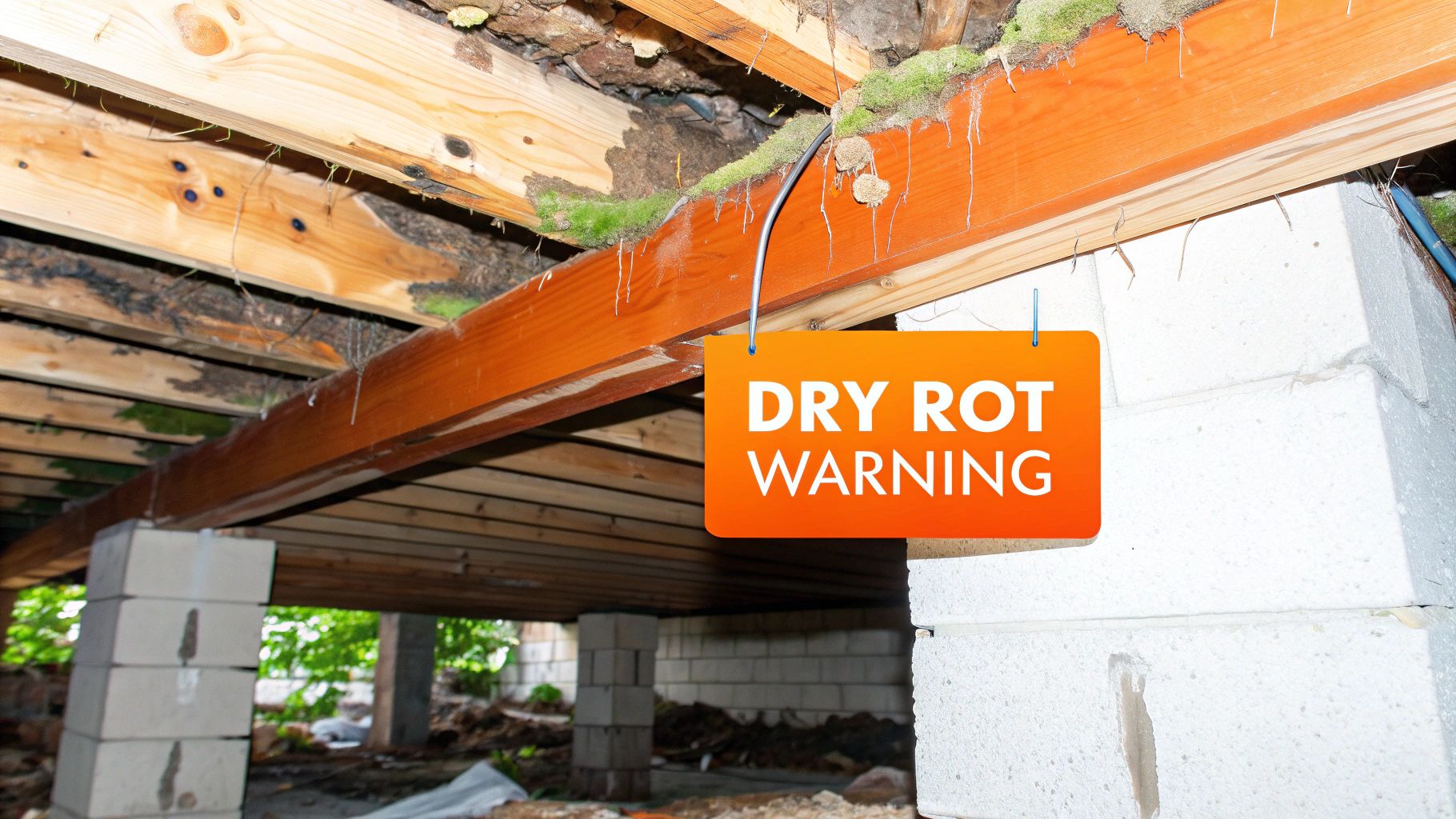
Serpula lacrymans progresses through several distinct stages. Initially, it appears as fine, white, cotton-like mycelium that spreads across wood surfaces. As it matures, it develops a thicker, pancake-like fruiting body (sporophore) that is often rust-red or orange-brown with a wide, white-to-lilac colored margin. The affected wood will feel brittle, appear shrunken, and crack into cubical patterns. This fungus can even penetrate and travel through masonry to find new wood sources.
Common locations in an Orange County basement include:
- Original wood framing in historic basements in Newport Beach.
- Structural timbers in older luxury homes in Irvine where moisture barriers have failed.
- Wood subflooring or joists in Laguna Niguel properties with long-term, unaddressed humidity.
Health Risks and Professional Remediation
While Serpula lacrymans is primarily a structural danger, the fruiting bodies can release massive quantities of spores, which may trigger allergic reactions or respiratory irritation in sensitive individuals. The primary risk, however, is the catastrophic failure of wooden structural components, posing a significant safety hazard and threatening your property's value. Its ability to destroy wood from the inside out makes it a silent but potent threat.
Expert Insight: Dry rot remediation is a specialized field that goes far beyond standard mold removal. It requires a licensed general contractor with expertise in structural repair. DIY attempts are exceptionally hazardous, as they fail to address the fungus hidden within wood and masonry, leading to a swift and aggressive return.
Because this fungus compromises your home’s structural foundation, a comprehensive approach involving both remediation and reconstruction is mandatory. Our team at Sparkle Restoration Services holds both IICRC certifications for remediation and a General Contractor license, ensuring we can safely manage the entire process. We identify the full extent of the damage, remove and replace compromised materials, and implement preventative measures to protect your investment.
Comparison of 10 Basement Mold Types
| Mold / Fungus | Remediation Complexity 🔄 | Resource Requirements ⚡ | Expected Property Impact 📊 | Ideal Use Cases 💡 | Key Advantages ⭐ |
|---|---|---|---|---|---|
| Stachybotrys chartarum (Black Mold) | High — professional containment, demolition and prolonged remediation | IICRC-certified crew, HEPA, moisture meters, dehumidifiers; costs $3k–$15k+ | Severe — indicates chronic moisture/structural issues; high disclosure impact 📊 ★★★ | Basements with prolonged leaks, soaked drywall/insulation | Distinct appearance; well-documented protocols |
| Aspergillus niger (Black Aspergillus) | Medium — targeted cleaning, HVAC inspection, rapid response needed | HVAC filtration (MERV‑13+), dehumidification, professional cleaning; moderate cost | Moderate — allergenic and airborne; spreads quickly if unchecked 📊 ★★ | Finished basements with minor moisture or ventilation problems | Rapid detection; responds to standard moisture control |
| Penicillium species | Medium — air filtration, localized removal and humidity control | HEPA filtration, whole‑house dehumidifier, air testing; moderate cost | Moderate — highly allergenic; recurs if humidity unmanaged 📊 ★★ | Climate‑controlled basements, wine cellars with improper humidity | Visible at moderate humidity; responsive to dehumidification |
| Cladosporium species | Low–Medium — ventilation/filtration upgrades and monitoring | HEPA, humidity/temperature monitoring, routine inspections; low–moderate cost | Low–Moderate — allergenic; survives drier conditions complicating prevention 📊 ★★ | Cool storage areas and basements with low temps | Common and detectable; manageable with monitoring |
| Chaetomium species | High — structural assessment and extensive material replacement | Structural engineers, demolition, waterproofing and rebuild; high cost | Severe — actively degrades cellulose; strong musty odor; structural risk 📊 ★★★ | Water‑damaged basements with cellulose decay after leaks | Distinctive morphology prompts comprehensive corrective action |
| Alternaria species | Low — ventilation and dehumidification usually effective | Exhaust ventilation, dehumidifier, sealing/weatherstripping; low cost | Moderate — highly allergenic; seasonal infiltration concerns 📊 ★★ | Basements affected by outdoor humidity infiltration in humid seasons | Responds well to airflow and humidity fixes; cost‑effective prevention |
| Fusarium species | High — emergency extraction, containment and full replacement | 24/7 restoration teams, drying rigs, reconstruction; high cost | Severe — indicates active flooding; health risks and major property loss 📊 ★★★ | Post‑flood basements or active water intrusion events | Distinct coloration aids rapid recognition and emergency response |
| Trichoderma species | Medium–High — rapid remediation; often material replacement required | Moisture meters, continuous dehumidification, partial rebuilds; moderate–high cost | High — aggressive cellulolytic activity can weaken materials quickly 📊 ★★★ | Newly finished basements with hidden leaks or vapor issues | Rapid odor/color warning enables earlier intervention |
| Mucor species | High — immediate containment, extraction and replacement | Emergency extraction, professional containment, drying and rebuild; high cost | Severe — explosive growth after flooding; broad contamination risk 📊 ★★★ | Acute flood events, failed sump pumps or major water intrusion | Extremely fast growth makes infestation obvious for emergency action |
| Serpula lacrymans (Dry Rot) | Very High — specialized fungal eradication plus structural remediation | Structural engineers, licensed specialists, extensive reconstruction; very high cost | Severe — irreversible wood decay; can spread through masonry; major structural impact 📊 ★★★ | Older/historic basements with wood decay and masonry spread | Distinct fruiting bodies enable professional ID; mandates structural repair |
Protect Your Property With Orange County's Premier Restoration Experts
Navigating the various types of mold in basements can feel overwhelming for any property owner. From the notorious Stachybotrys chartarum to the pervasive Aspergillus and Penicillium species, each fungus presents unique challenges and potential risks to your property and health. As we've detailed, identifying mold by its appearance, texture, and smell is a preliminary step, but it is not a substitute for professional assessment. The presence of any mold, regardless of its color or species, signifies a deeper issue: an uncontrolled moisture source that is actively damaging your home.
The true takeaway from this guide is that a reactive, surface-level approach is insufficient for protecting a high-value property. Wiping away visible spots with bleach or using a store-bought fogger fails to address the hidden colonies thriving behind drywall, under flooring, or within your HVAC system. These DIY attempts often disturb spores, leading to cross-contamination that can turn a localized issue into a whole-home problem. True remediation requires a systematic, scientific approach that eliminates the mold and corrects the environmental conditions that allowed it to grow in the first place.
From Identification to Eradication: A Strategic Approach
Mastering this knowledge isn't about becoming a DIY mold expert; it's about becoming an informed homeowner who can act decisively. Understanding the difference between common molds and recognizing the signs of a serious infestation empowers you to protect your investment and your family’s well-being. This knowledge transforms you from a passive observer into a proactive guardian of your home's health.
Consider the broader implications for your property:
- Structural Integrity: Fungi like Serpula lacrymans (dry rot) can digest the structural wood of your home, leading to costly and complex repairs that go far beyond simple mold removal.
- Indoor Air Quality: Mold spores are known allergens and irritants. For sensitive individuals, chronic exposure can trigger persistent respiratory issues, headaches, and other health concerns. A healthy home starts with clean air.
- Property Value: A history of mold, especially if improperly handled, can significantly diminish your property's value and become a major point of contention during a sale. Professional remediation with proper documentation is an investment in your home's marketability.
A comprehensive home wellness strategy also includes monitoring other moisture-prone areas. For instance, learning how to prevent mold on window sills is a crucial part of a holistic approach to moisture control that safeguards your entire home envelope, not just the basement.
Your Partner in Property Protection and Peace of Mind
Ultimately, identifying the types of mold in basements is just the beginning. The solution should involve a trusted, certified professional who can restore your home to a safe, healthy, and pristine condition. For discerning homeowners in Orange County, from the coastal estates of Newport Beach to the planned communities of Irvine, the standard for service is uncompromising. You require a partner who respects your property, values your time, and delivers impeccable results. At Sparkle Restoration Services, we built our reputation on this exact promise.
As an IICRC Master Certified firm and a licensed General Contractor, we provide a seamless, white-glove experience. Our BBB Torch Award for Ethics is a testament to our commitment to transparency and integrity. We don’t just remediate; we diagnose the root cause, repair the underlying damage, and can even remodel the affected space to a higher standard than before. We turn the chaos of a mold discovery into the calm of a fully restored and protected home.
Don't let a basement mold problem compromise the safety and value of your home. Trust the award-winning experts at Sparkle Restoration Services to provide a definitive solution with the professionalism and care your property deserves. Contact us today for a comprehensive consultation and experience the peace of mind that comes from working with Orange County's best.
Ready to create a space that’s as beautiful as it is functional? Schedule your complimentary design consultation today by visiting Ready to Work with Sparkle?